The Kratky Method for Beginners: Grow Food Indoors With No Pump, No Fuss
The Kratky method is the simplest way to grow food indoors — no pump, no electricity, no experience needed. Here’s exactly how it works and how to start today.
The Kratky method is the simplest way to grow food indoors — no pump, no electricity, no experience needed. Here’s exactly how it works and how to start today.
You don’t need land, a license, or a big investment to run a local food business. Here’s how to build a mini farm in your spare room and turn it into $200–$500/month selling to neighbors.
Not all lettuce varieties perform the same indoors. These are the specific types that grow fastest, look best, and sell most easily in a Kratky hydroponic tote — with variety recommendations for beginners and sellers.
Getting your hydroponic nutrient solution right is the difference between thriving plants and struggling ones. Here’s what to buy, how to mix it, and how to manage pH — the complete beginner guide.
Hydroponic basil is lusher, faster, and more productive than pot-grown basil — and it produces year-round. Here’s the complete guide to growing it indoors, plus how to sell it to neighbors for $10–$18 a plant.
Not every crop works in a storage tote hydroponic setup. These 10 do — they’re fast, productive, and the ones neighbors actually want to buy. Here’s the complete grow guide.
Hydroponic lettuce grows 30–50% faster than soil-grown lettuce — and tastes better. Here’s the real comparison: speed, yield, cost, and which method wins for home growers who want to sell.
You can start a working hydroponic setup for under $100 — and if you sell a few plants to neighbors, it pays for itself the first month. Here’s the real cost breakdown.
Not all hydroponic crops are worth growing. These are the beginner-friendly plants that are easy to grow, fast to harvest, and actually sell to neighbors for real money.
You don’t need a farmers market, a business license, or a social media following to make $200/month selling plants. Here’s the low-effort neighbor model that busy parents are actually using.
The Kratky method lets you grow crisp lettuce in a storage tote with no pump, no soil, and no daily fuss. Here’s exactly how to set it up — and how to turn it into $200/month.
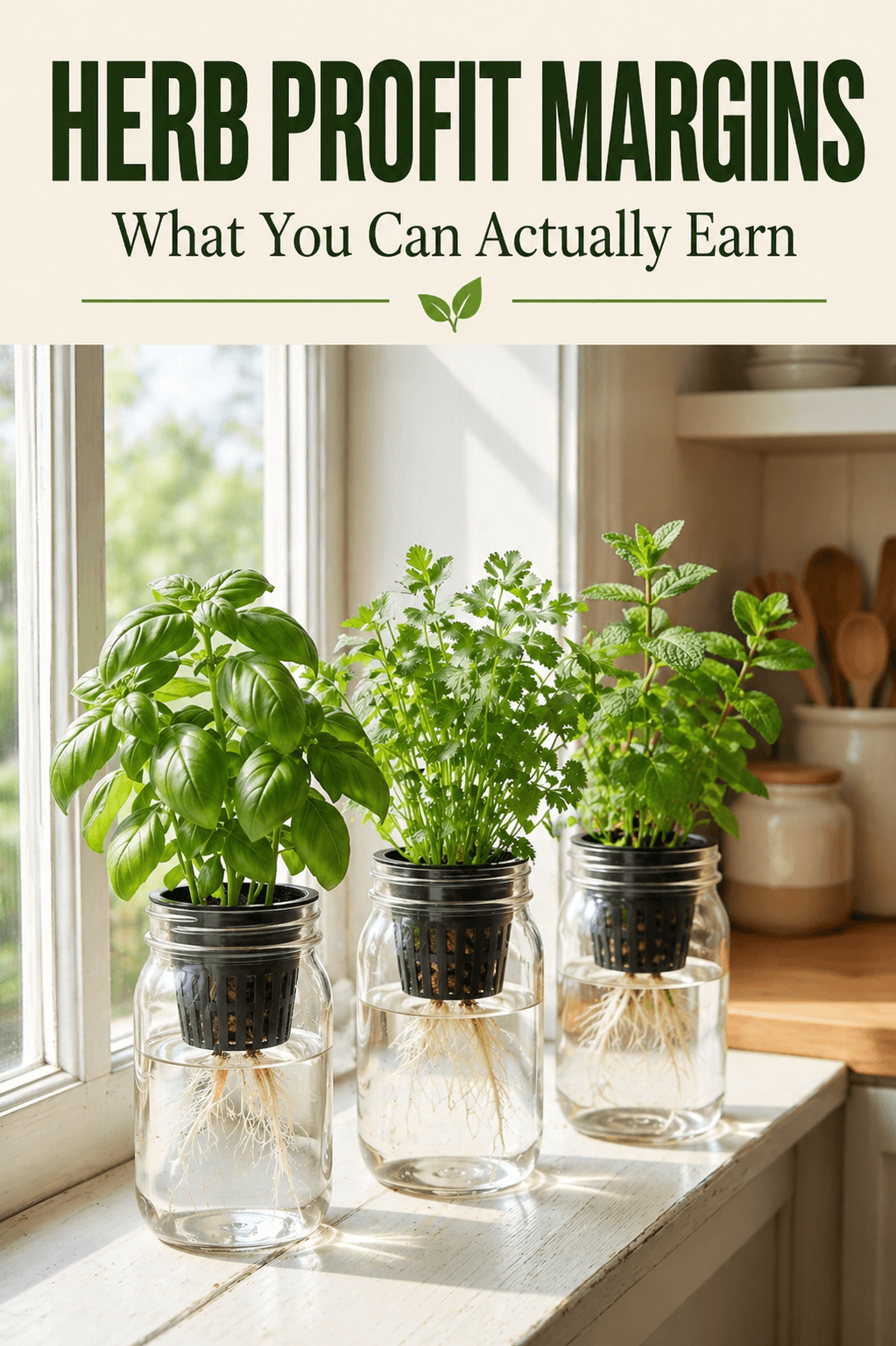
Fresh herbs have some of the best profit margins of any home-grown crop. Here are the real numbers — what each herb costs to produce, what it sells for, and what you can net per square foot per year.
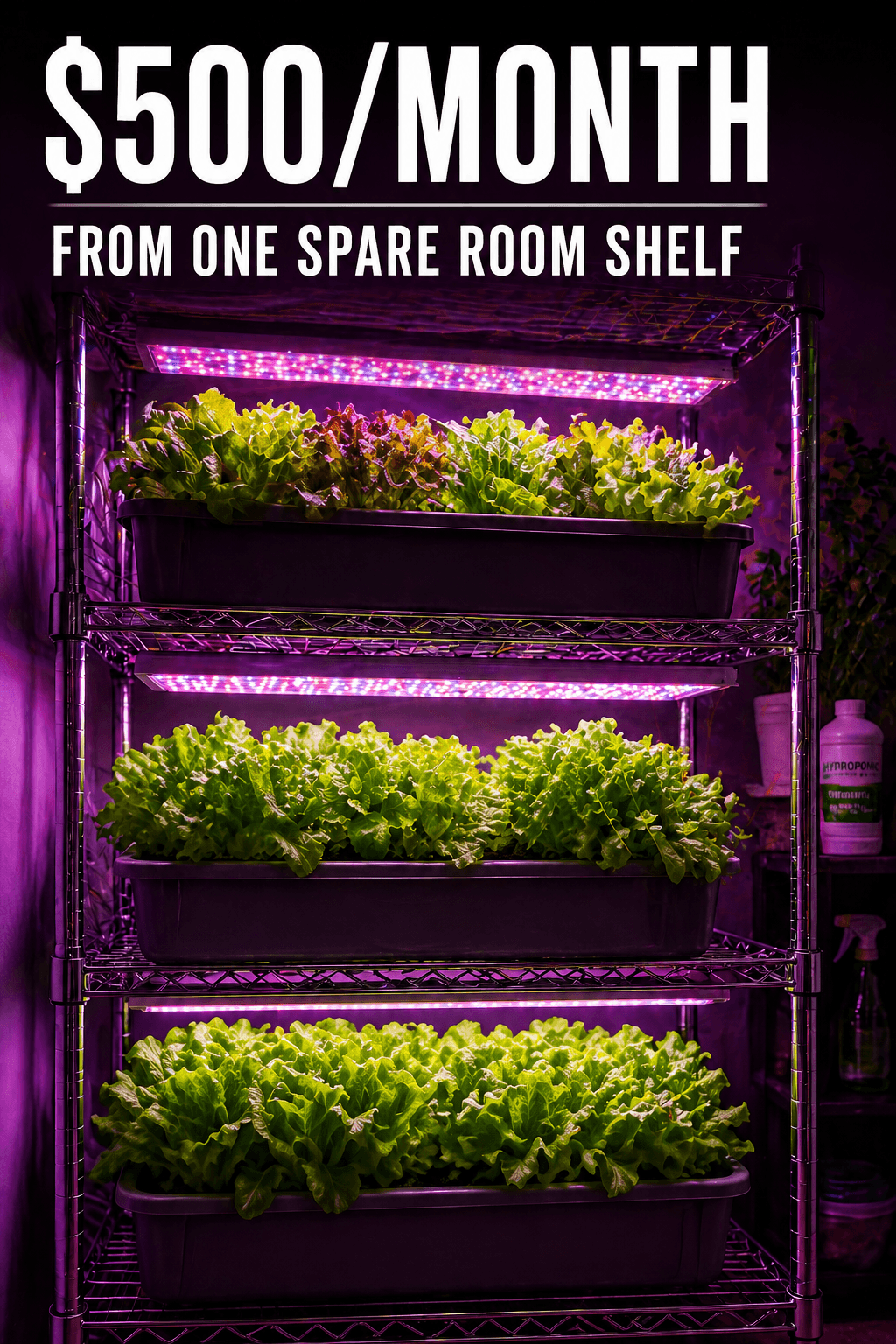
How much can a hydroponic system actually produce per square foot? Here are real yield numbers for lettuce, herbs, and greens — plus what that translates to in income for a home grower.
Most small CSAs underprice their shares and burn out within a year. Here’s exactly how to calculate what to charge — with real numbers for indoor and outdoor operations at small scale.
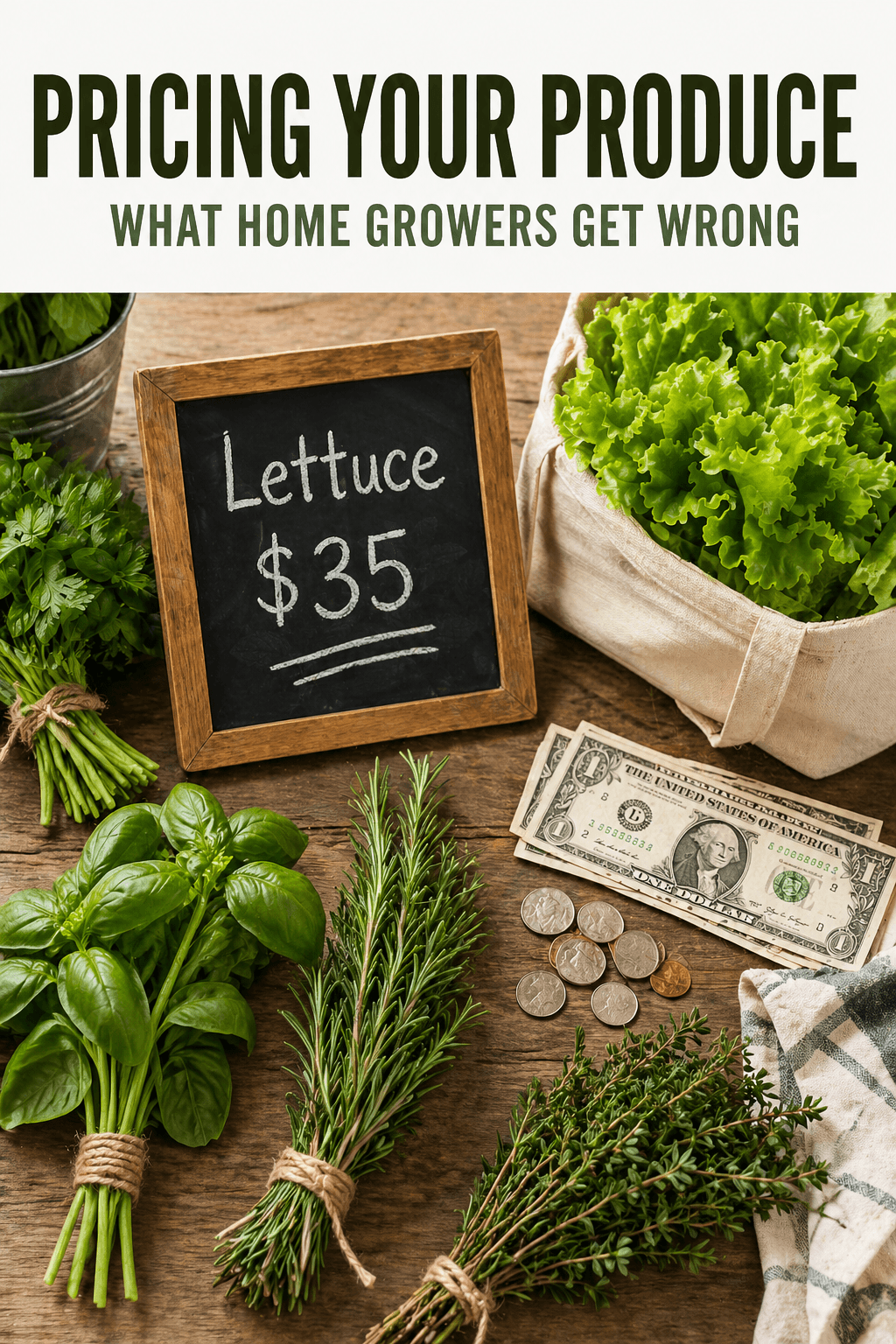
Most home growers underprice their produce and wonder why it doesn’t feel worth it. Here’s how to price fresh vegetables, herbs, and living plants so you actually make money — with real numbers for the most common crops.
A DIY hydroponic system is a homemade setup that grows plants in water with nutrients instead of soil. Unlike commercial kits, DIY systems use simple containers, basic materials, and straightforward designs. The goal is function, not aesthetics. Most DIY hydroponic systems rely on gravity, passive water movement, or minimal equipment rather than complex plumbing. In … DIY Hydroponic Systems at Home: The Simple Beginner’s Guide
You don’t need acres of land to grow most of your own food. Here’s the complete system for producing year-round vegetables, herbs, and greens on a small homestead — or even a small apartment.
No yard? No problem. Container gardening lets you grow real food on a patio, balcony, or windowsill. Here’s exactly what to grow, what containers to use, and how to keep everything productive all season.
Most gardens produce for four months a year. Here’s the season-by-season plan that keeps food growing and harvesting all twelve months — with exactly what to plant, when to plant it, and how to bridge the winter gap.
No ground space? Use the space above it. Vertical gardening turns fences, walls, and trellises into productive growing areas. Here’s what to grow, how to support it, and how to double your output from a small space.