Most plant-selling advice assumes you want to turn into a full-time vendor. Set up a booth at the farmers market. Build an Instagram following. Apply for a business license. Post constantly.
But what if you just want a couple hundred extra dollars a month, without adding a second job to your life?
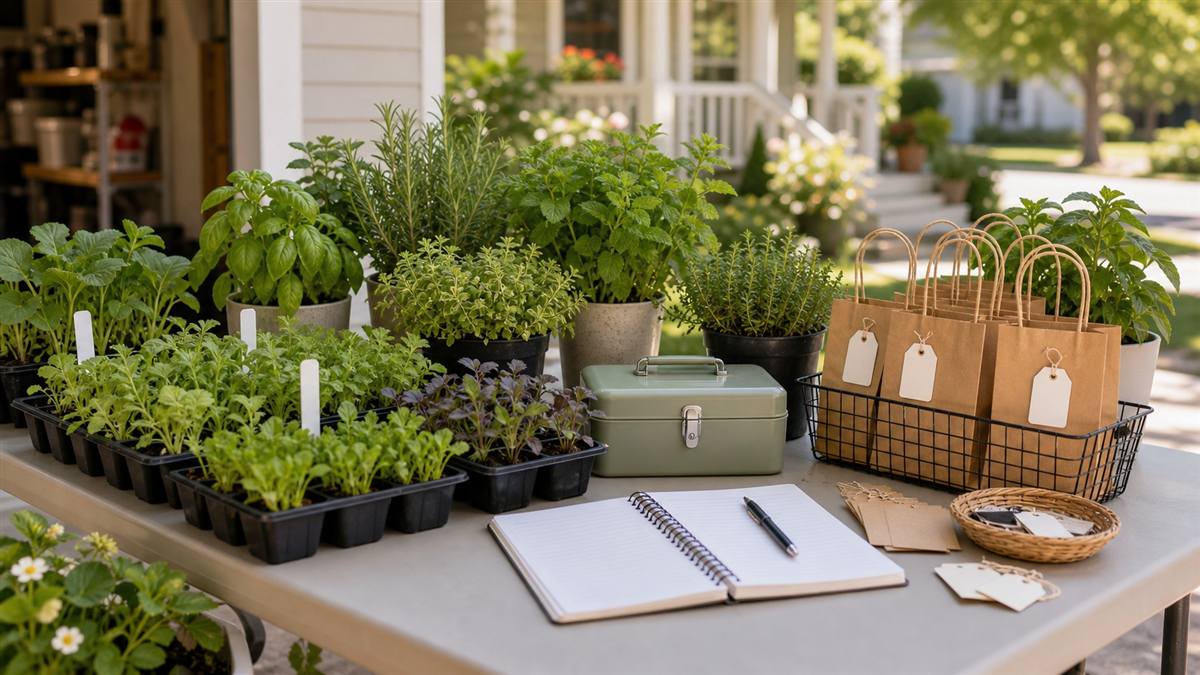
The neighbor model is different — and honestly, it’s the easiest side hustle I’ve ever seen work consistently for regular people. You grow living plants (mostly salad greens and herbs) in simple hydroponic totes indoors, and you sell them to people within a few blocks of your house. No booth. No shipping. No social media required. Most of your customers walk up to your porch, pick up their order, and leave cash or Venmo you before they even get home.
Here’s how it works, and how to start.
Why Living Plants — Not Harvested Produce
Selling harvested lettuce or herbs means you do all the labor (growing, harvesting, washing, packaging), and then the customer eats it in a week and needs more. You’re essentially doing farm-stand work at home-grower scale, which is exhausting and doesn’t pay well.
Selling living plants flips the model entirely.
Instead of harvesting and packaging everything yourself, you grow a plant to the “ready to harvest” stage, then hand it off to your customer in its container. They take it home, put it in a sunny window, and harvest from it for the next 4–8 weeks. When it’s done, they come back for another one.
Your benefits:
- Less labor per sale (you’re not washing and bagging produce)
- Higher price per unit (a living plant with 4 weeks of food in it is worth $35–$50; a bag of lettuce is worth $5)
- Repeat customers by design — the plant runs out, they need a new one
This is the core idea behind the Indoor Mini Farm System — grow living food in simple hydroponic totes, sell the totes (or just the plants in them) to neighbors, and collect recurring income.
What You’re Actually Selling
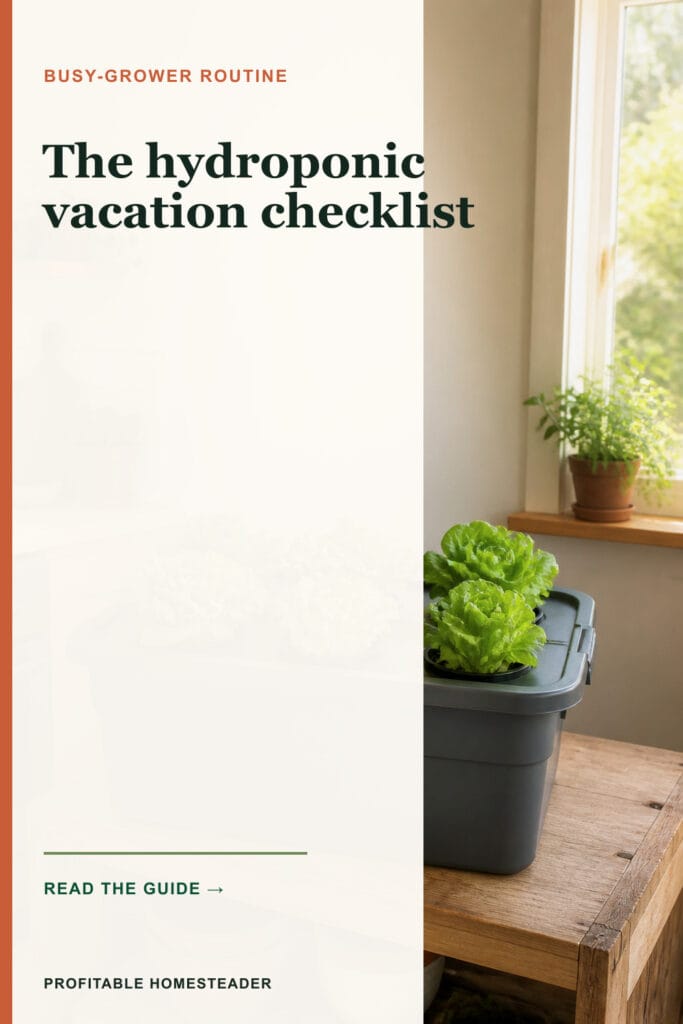
The most popular product for neighbor sales is a “ready-to-harvest” tote: a standard storage tote set up as a Kratky hydroponic system, with 6–8 heads of lettuce, basil, arugula, or other greens at peak harvest stage. The customer takes the tote home, harvests leaves daily or weekly, and returns the tote when it’s done for a fresh refill.
Typical pricing:
- Individual plant in a small container: $8–$15
- Full mini farm tote (6–8 plants, ready to harvest): $35–$55
- Monthly subscription (new tote delivered or available for porch pickup each month): $35–$45/month
According to a survey of Mini Farm readers, $45 is the most common price for a full tote. At that price, selling just five totes a month — to five neighbors — is $225. Ten neighbors is $450. And because it’s a subscription, you know exactly how many totes to grow each month.
How to Find Your First 5 Customers Without Social Media
You don’t need Instagram or a website to find neighbors who want fresh food. Here’s what actually works:
1. Tell one person
Seriously. Tell one neighbor, coworker, or friend what you’re growing and offer them first dibs. “I’m growing fresh lettuce and basil indoors and I’ll have extra next month — want me to set one aside for you?” Almost everyone says yes. And they tell someone else.
2. Put a small sign outside
A hand-lettered sign that says “Fresh Indoor Greens — $45” with your phone number or a QR code linking to a short description gets attention, especially in spring and summer. People in your neighborhood who care about fresh food will stop.
3. Post in your neighborhood Facebook group or Nextdoor
A simple post with a photo of your tote in harvest: “Grew way too much lettuce this month — selling a few ready-to-harvest indoor hydroponic gardens for $45. Self-watering, no soil. Pickup from my porch this Saturday.” That kind of post tends to get comments and shares without any selling pressure.
4. Offer a free trial to one person
Give one trusted neighbor a tote for free and ask them to tell you honestly what they think. If they love it (and they almost always do), they’ll buy the next one and mention it to other people.
Setting Up the Subscription
The real money in the neighbor model isn’t in one-time sales — it’s in subscriptions. Once a customer loves your product, offer them a standing monthly order: one tote every four weeks, same price, porch pickup. They pay you, you have one ready, they swap the old tote for the new one.
This is worth spelling out because it changes your whole planning process. With subscriptions:
- You know exactly how many totes to grow each month — no guessing, no waste
- You get paid even on months when you don’t “market” anything
- Customers are invested and loyal — they’re counting on fresh greens, so they don’t cancel casually
- Each new subscriber adds a predictable, permanent line item to your income
The Sold Out Every Time add-on ($27–$37) in the Indoor Mini Farm bundle walks through this subscription model specifically — how to structure it, how to talk to customers about it, and how to scale from 5 subscribers to 20 without it taking over your life.
The Math at Different Scales
These figures are illustrative estimates — actual results depend on your local market, pricing, and operating costs.
| Subscribers | Price/Month | Monthly Income | Totes to Grow |
|---|---|---|---|
| 5 | $45 | $225 | 5 |
| 10 | $45 | $450 | 10 |
| 20 | $45 | $900 | 20 |
| 25 | $45 | $1,125 | 25 |
Each tote takes about 30 minutes per month to maintain once it’s running (mostly topping up water and checking pH). At 20 subscribers, that’s roughly 10 hours of hands-on grow work per month — less than half a day — for $900.
The bigger time investment is the initial setup of each tote, which takes 1–2 hours. But you only do that once per tote, and then the system runs itself.
What You Actually Need to Get Started
To sell plants to neighbors using this model, you need:
- At least one working tote — a storage tote set up as a Kratky hydroponic system with nutrient solution and 6–8 plants
- A grow light — even a basic LED panel works fine
- Seeds — lettuce, basil, arugula, spinach, kale, bok choy
- One customer to start
Before you start selling, take a few minutes to check the rules for your state and local area — licensing requirements for home produce and plant sales vary by location. The guide to selling produce from home explains what to look into and where to find the authoritative answers for your area.
The Indoor Mini Farm System ($47) covers the complete build: what tote to buy, how to set it up, what to grow, how to price it, and how to turn your first customer into a subscriber. It’s the exact system that readers are using to earn $200–$400/month from their countertops.
Start Small. Scale When It Works.
The lowest-pressure way to start: build one tote, grow one round of lettuce or basil, and show one neighbor. If they want to buy it, great — you’ve made your first sale and proven the model. If they don’t, you’ve just grown yourself a month of fresh salad. Either way, you win.
Most people who try this are selling to at least three neighbors within 60 days. Some reach ten subscribers within a season. It scales naturally because the product is genuinely good and the word-of-mouth is effortless.
→ Get the Indoor Mini Farm System and start your first tote today ($47)