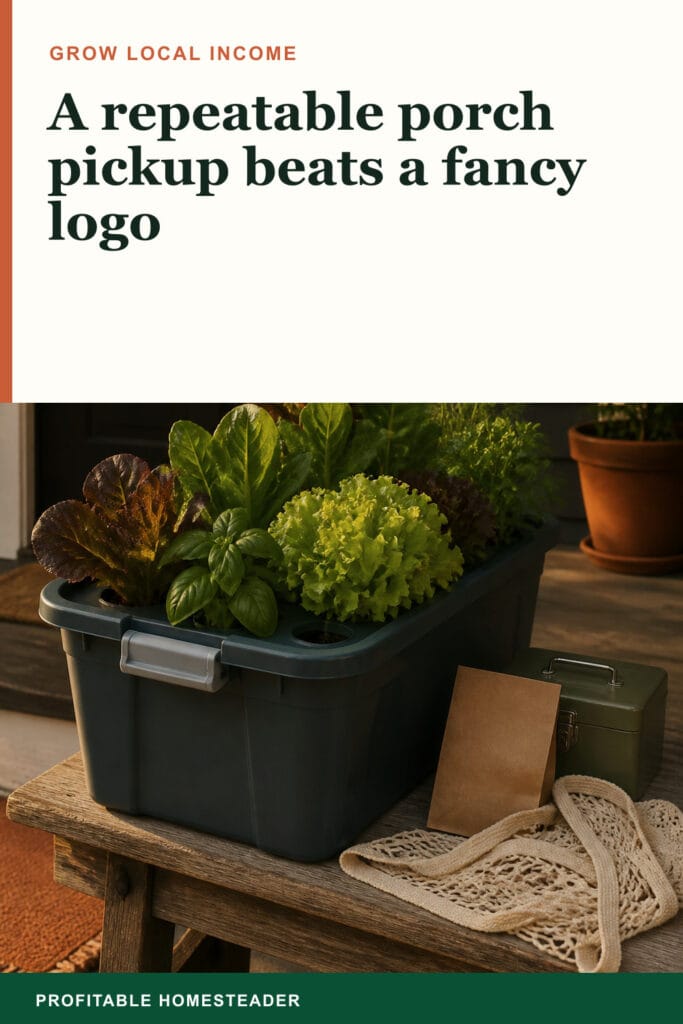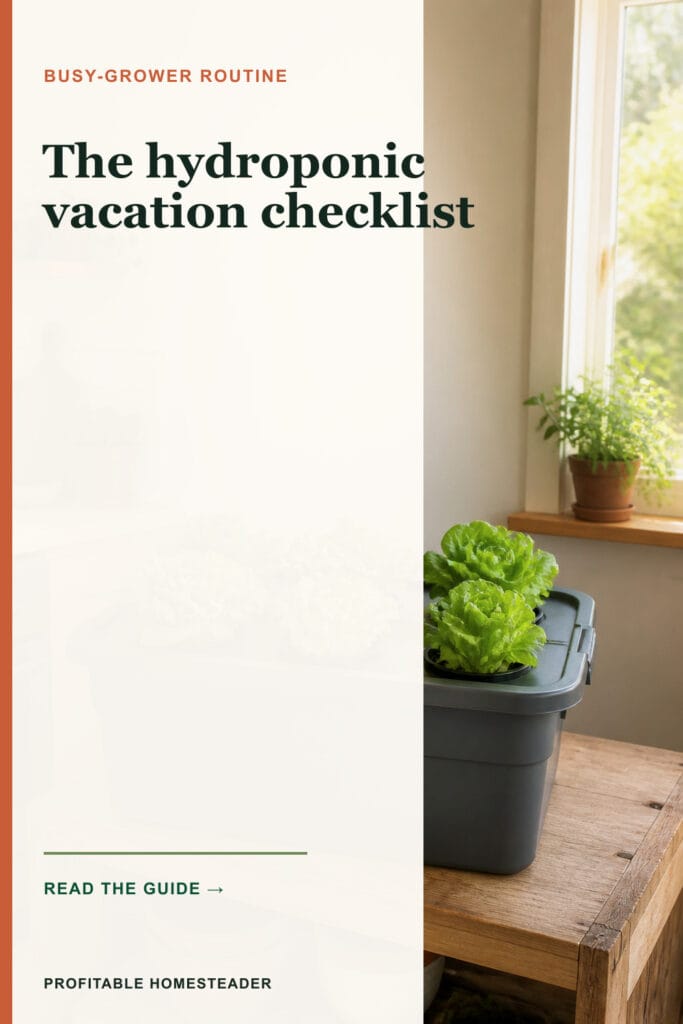
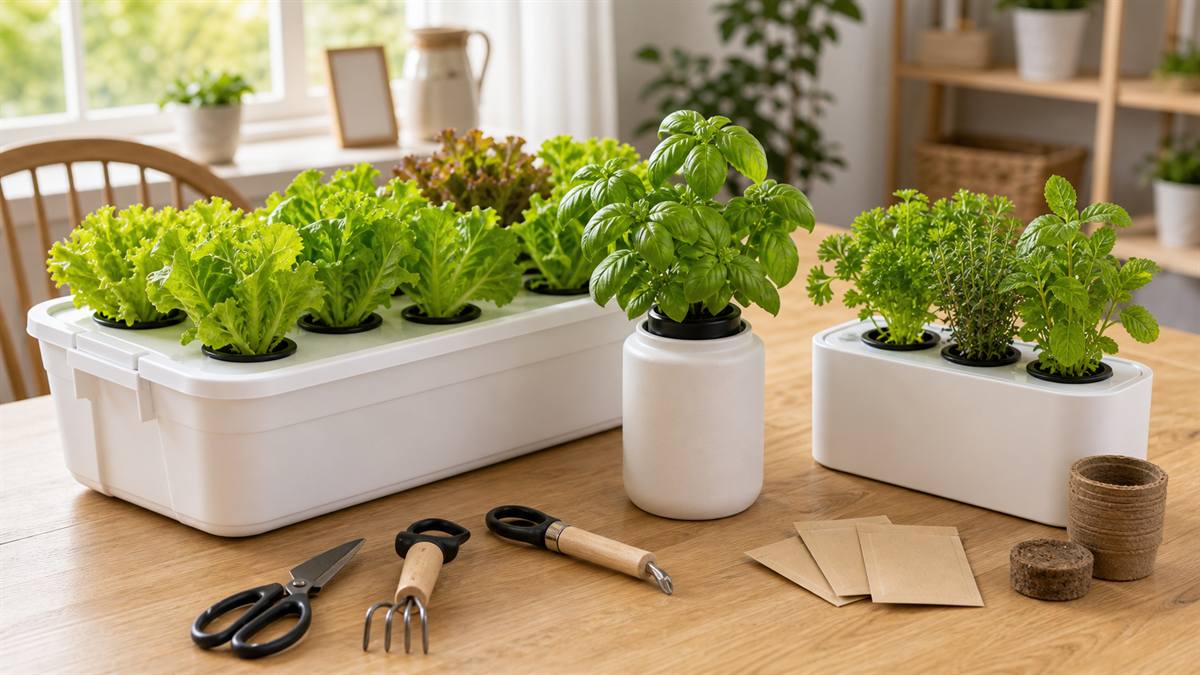
A DIY hydroponic system is a homemade setup that grows plants in water with nutrients instead of soil.
Unlike commercial kits, DIY systems use simple containers, basic materials, and straightforward designs. The goal is function, not aesthetics. Most DIY hydroponic systems rely on gravity, passive water movement, or minimal equipment rather than complex plumbing.
In practice, this usually means:
- A container to hold water and nutrients
- A way to support plants above the water
- Light (sunlight or grow lights)
- A nutrient solution designed for hydroponics
For beginners, the simplest systems are often the most reliable. You’re not trying to automate everything. You’re creating a stable environment where plants can grow consistently indoors.
How hydroponic systems work at home
Hydroponic systems work by delivering water, nutrients, oxygen, and light directly to plant roots.
In soil, roots search for nutrients. In hydroponics, nutrients are already dissolved in the water. This reduces guesswork and makes growth more predictable indoors.
At home, most hydroponic grow systems follow the same basic process:
- Plants sit in net cups or holders
- Roots extend into a nutrient solution
- Oxygen reaches roots through air exposure or water movement
- Light drives photosynthesis
For indoor hydroponic gardens, stability matters more than speed. You don’t need rapid circulation or high-pressure pumps. Many small home systems work well with still water and occasional maintenance.
Practical note: If a system requires constant monitoring to survive, it’s usually not beginner-friendly.
DIY hydroponic systems vs store-bought kits
DIY systems prioritize flexibility and simplicity, while store-bought kits prioritize convenience and design.
| Feature | DIY Hydroponic System | Store-Bought Countertop Kit |
|---|---|---|
| Cost | Low to moderate | High upfront |
| Customization | Very high | Limited |
| Repairability | Easy | Often proprietary |
| Plant types | Flexible | Often restricted |
| Learning curve | Moderate | Low initially |
Store-bought kits can be useful for seed starting or herbs, but they often lock you into specific pods or replacement parts. DIY systems give you more control and scale more easily.
If you want a simple system designed specifically for food production rather than décor, a DIY approach is usually more sustainable long-term.
Types of DIY hydroponic systems
DIY hydroponic systems range from very simple passive setups to complex recirculating designs.
1. Passive water-based systems (simplest)
These systems use no pumps. Plants sit above a nutrient reservoir, and roots grow down into the water. Best for leafy greens, beginners, and small spaces. This is often the easiest entry point into hydroponics for beginners.
2. Kratky-style systems (low-tech)
A variation of passive systems where water levels drop gradually as plants grow. No electricity required and very low maintenance. New to Kratky? The Kratky method beginner’s guide covers exactly what you need, common mistakes, and how much you can realistically earn. For a full step-by-step build, see the complete Kratky method guide.
3. Wick systems
Nutrients travel upward through a wick material. These work but tend to be slower and less consistent for food crops.
4. Recirculating systems (advanced)
| Simple DIY | Complex Recirculating |
|---|---|
| Few failure points | Multiple failure points |
| Quiet | Often noisy |
| Beginner-friendly | Experience required |
For most home growers, simple systems outperform complex ones in reliability.
Best DIY hydroponic system for small spaces
The best DIY hydroponic system for small spaces is a low-profile, horizontal system under 5 square feet.
Small space hydroponics works best when plants grow outward rather than upward, systems are easy to access, and maintenance is minimal. Vertical towers look efficient but often create uneven lighting and maintenance issues. Horizontal systems are easier to manage indoors and fit well under shelves or along walls.
If you want the simplest small-space system designed around food production, the Indoor Mini Farm System is the complete beginner-friendly setup guide.
Hydroponics for beginners: common mistakes
Most beginner problems come from overcomplicating the system.
- Adding pumps too early
- Using too many nutrients
- Growing fruiting plants first
- Ignoring light quality
Hydroponic indoor gardens reward consistency. Leafy greens grow well even when conditions aren’t perfect. Tomatoes and peppers demand precision. Practical rule: Start with plants that forgive mistakes. See the best plants for DIY hydroponics for a full list of what to grow first.
Hydroponic seed starting
Hydroponic seed starting is easiest when seeds are started outside the main system.
- Start seeds in a hydroponic-friendly medium
- Keep moisture consistent
- Transplant once roots emerge
A hydroponic seed starter doesn’t need nutrients initially. Seeds contain enough energy to sprout on their own. Once roots form, seedlings can move into your hydroponic grow system without shock. For a detailed walkthrough, see how to start seeds for hydroponics.
Cost of DIY hydroponics at home
DIY hydroponics can cost anywhere from $40 to $200 depending on scale.
Typical costs include containers and plant holders, nutrients, and lights if you don’t have natural light. Unlike store-bought kits, DIY systems don’t force recurring purchases. Most ongoing costs are limited to nutrients and electricity for lights. For a detailed breakdown, see the cheapest hydroponic setup guide.
Is DIY hydroponics worth it?
DIY hydroponics is worth it if you value reliability, food quality, and control. It’s especially useful for apartment dwellers, people without outdoor space, and anyone wanting year-round greens.
For people interested in selling what they grow, the growing greens for profit guide covers the exact income model — including what a small indoor setup can realistically earn per month.
FAQs about DIY hydroponic systems
Is hydroponics hard for beginners?
No. Simple DIY hydroponic systems are often easier than soil gardening indoors because they remove guesswork around watering.
Can you do hydroponics without pumps?
Yes. Many beginner systems are passive and use no pumps at all. The Kratky method is the most popular pump-free approach — and it’s the easiest way to get your first harvest in 30–40 days.
How much space do you need?
Most small space hydroponics setups fit under 5 square feet.
What grows best in an indoor hydroponic garden?
Leafy greens, herbs, and fast-growing crops perform best indoors. See the full list of best plants for DIY hydroponics.
Do plants grown hydroponically taste different?
They often taste fresher because nutrients and water are consistent.
Is hydroponics expensive to maintain?
Ongoing costs are low once the system is built. See the cheapest hydroponic setup guide for a full cost breakdown, and the hydroponic yield per square foot guide for exactly what a home setup can realistically produce.
Do you need special seeds?
No. Standard seeds work fine for hydroponics.