Hydroponic Tomatoes and Peppers: Can You Grow Them Indoors?
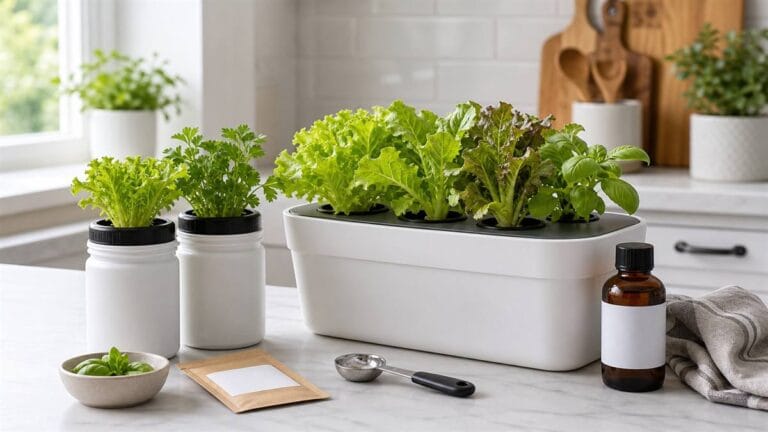
Lettuce and herbs are the easy wins — but can you grow tomatoes and peppers hydroponically indoors? Here’s what’s actually different, and how to do it.

Hi, I’m Tyler Brown. My family and I live in NC where I build mini farms so my neighbors have indoor vegetable gardens year round.
I recently wrote down my entire process into the Indoor Mini Farm System to help busy parents grow high-value food in five square feet and turn it into reliable, easy side income.
These posts share the exact hydroponic mini farm systems, seed choices, and simple marketing ideas my readers use. If you’ve started your own mini farms and you’d like to share your results, please reach out!
Free Guide:
Subscribe to the Profitable Homesteader Community and every few weeks you’ll get mini farm stories, and helpful tips on homesteading. Plus, you’ll get a free copy of my top 3 favorite hydroponic superfoods to grow.
Lettuce and herbs are the easy wins — but can you grow tomatoes and peppers hydroponically indoors? Here’s what’s actually different, and how to do it.
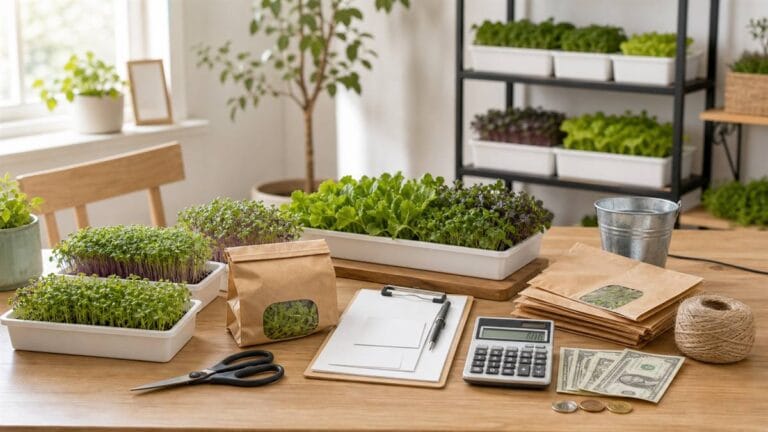
Microgreens go from seed to sale in 7–14 days — no other crop turns over faster. Here’s how to grow them at home and sell them for real money.
Most mini farm failures aren’t plant problems — they’re process problems. Here are the 6 mistakes that trip up new growers, and how to avoid each one.
Growing the food is the easy part. Here’s exactly where your first 10 real customers actually come from — no website or farmers market required.
Grew more than you can sell or eat this week? Here’s how to freeze, dry, and turn your surplus harvest into savings instead of waste.
The Kratky method is the simplest way to grow food indoors — no pump, no electricity, no experience needed. Here’s exactly how it works and how to start today.
You don’t need land, a license, or a big investment to run a local food business. Here’s how to build a mini farm in your spare room and turn it into $200–$500/month selling to neighbors.
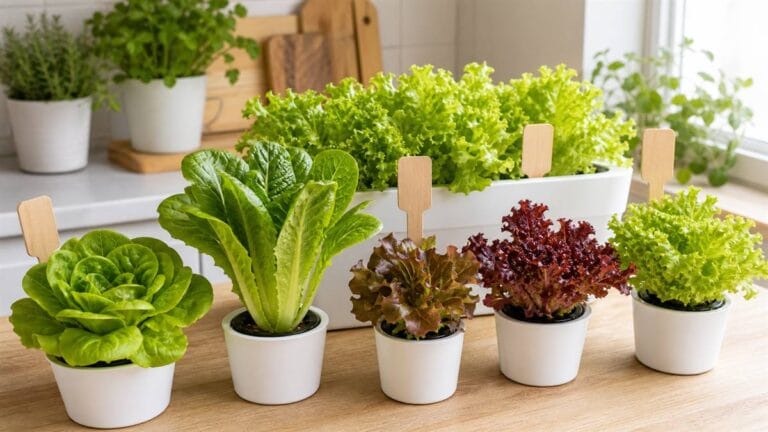
Not all lettuce varieties perform the same indoors. These are the specific types that grow fastest, look best, and sell most easily in a Kratky hydroponic tote — with variety recommendations for beginners and sellers.
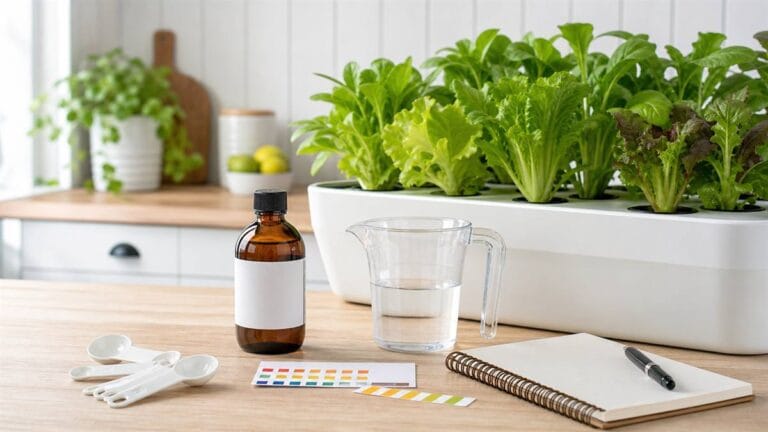
Getting your hydroponic nutrient solution right is the difference between thriving plants and struggling ones. Here’s what to buy, how to mix it, and how to manage pH — the complete beginner guide.
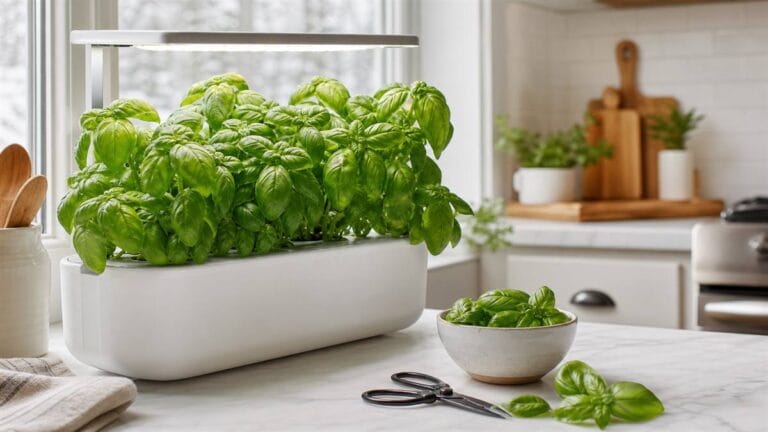
Hydroponic basil is lusher, faster, and more productive than pot-grown basil — and it produces year-round. Here’s the complete guide to growing it indoors, plus how to sell it to neighbors for $10–$18 a plant.
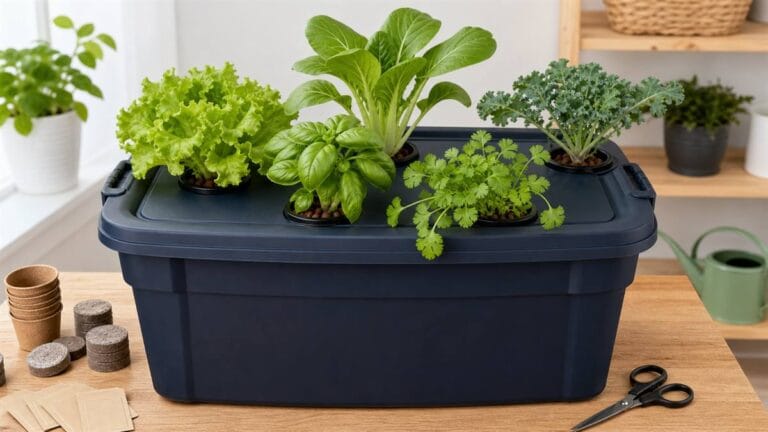
Not every crop works in a storage tote hydroponic setup. These 10 do — they’re fast, productive, and the ones neighbors actually want to buy. Here’s the complete grow guide.
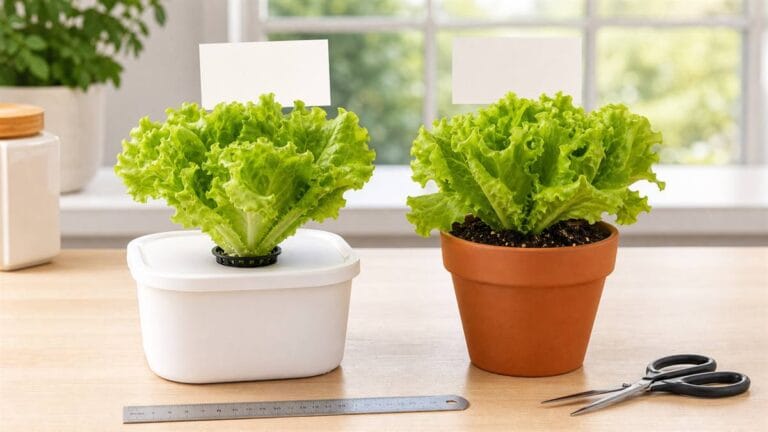
Hydroponic lettuce grows 30–50% faster than soil-grown lettuce — and tastes better. Here’s the real comparison: speed, yield, cost, and which method wins for home growers who want to sell.
Your first harvest starts here
Get the free guide and discover the three indoor crops we recommend starting with.
Send me the free guide