How to Start a Hydroponic Side Hustle for Reliable Monthly Income from Home in 2026
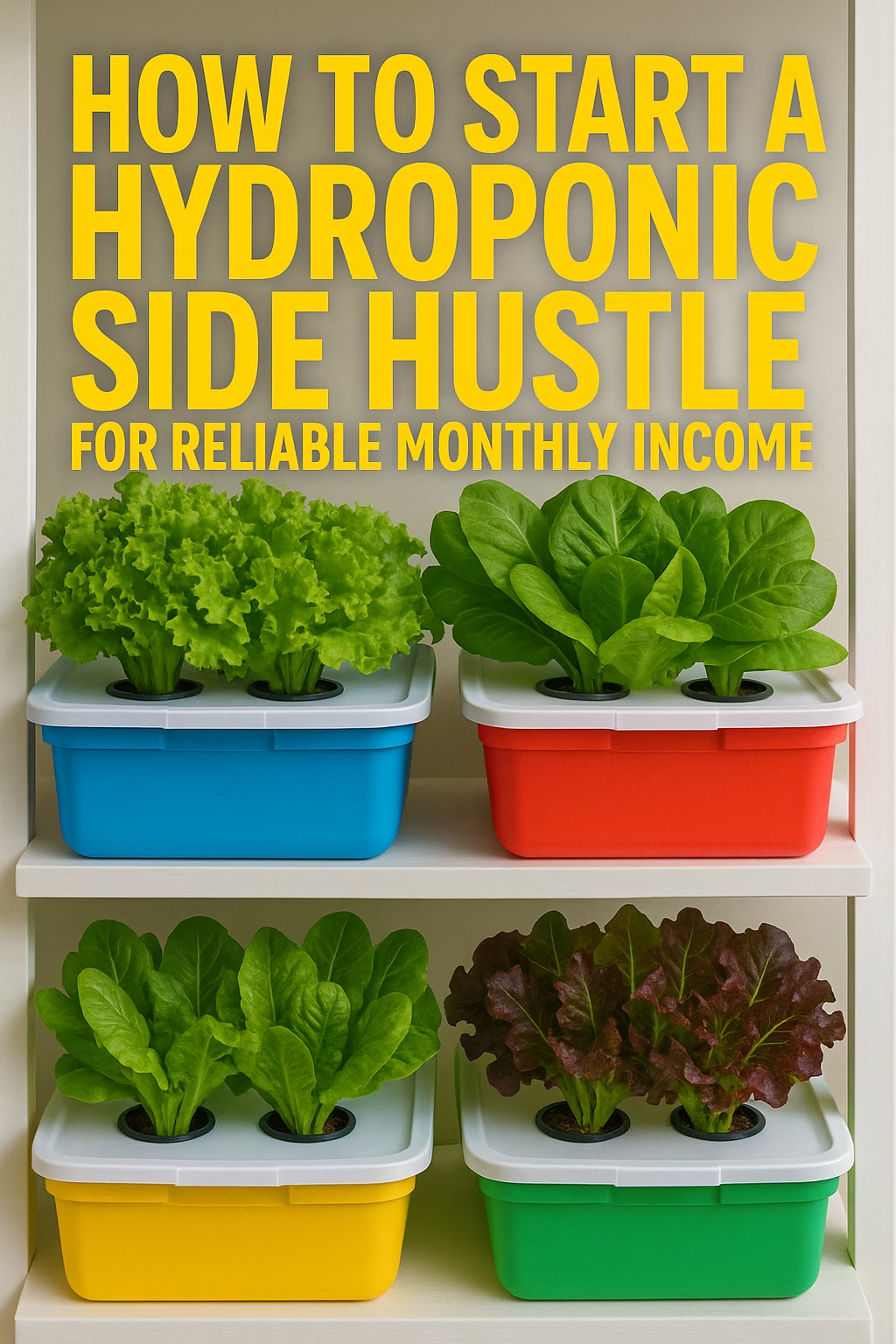
You can start a high-profit, recession-proof work from home side hustle with these simple diy hydroponic systems that grow vegetables indoors. This vertical vegetable garden setup is perfect for growing food for your family in 5 square feet, and you'll have space to grow food to sell to your neighbors.
Revealed: the key to a high profit hydroponic side hustle for recession-proof income you can earn from home.
When the economy falters, most advice boils down to one thing:
Personally, I don’t like that plan. It puts way too much faith in systems that are tenuous, especially when the economy heads into recession.
A few years ago, I took a completely different path. I started a hydroponic side hustle building hydroponic mini farms that can live on a bookshelf, keep my family fed, and turn a healthy profit. The best part? This gardening hack works even in small spaces and when you don’t have much time.
We’re talking:
A wire shelf
Shallow storage totes
Heirloom and specialty greens
Local families on simple subscriptions
In this article I’m going to show you why selling heirloom greens as a subscription is such a strong model, what the margins actually look like, and how my Indoor Mini Farm System walks you through the growing and selling piece step by step. If you just want to grow food indoors for your own family first, start with my guide on How to Grow Food Indoors on a Shelf.
If you’ve ever wanted to find a work from home side hustle to earn money at home in your PJs, this is for you.
Grow Real Food Indoors For Profit
✅ Beginner-friendly mini farm you can build in a weekend
Most people hear hydroponics and think expensive gear, complicated pumps, and a room full of tubes and lights.
That’s not what I do.
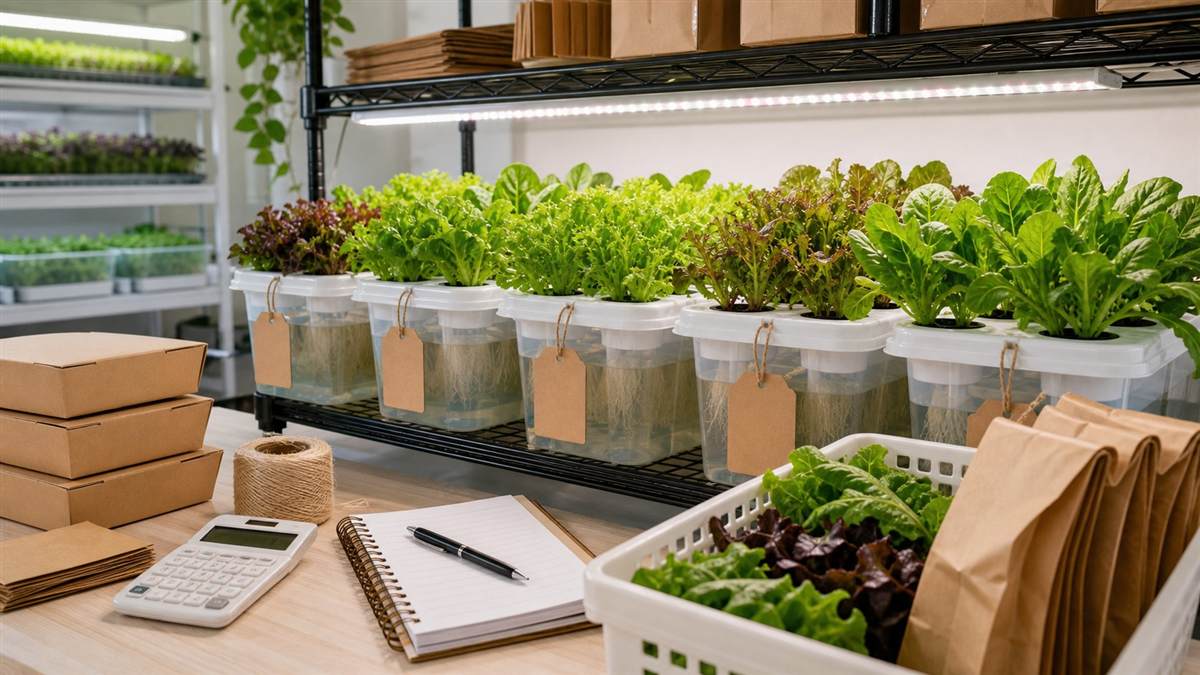
A hydroponic side hustle mini farm, the way I teach it in the Indoor Mini Farm System, is:
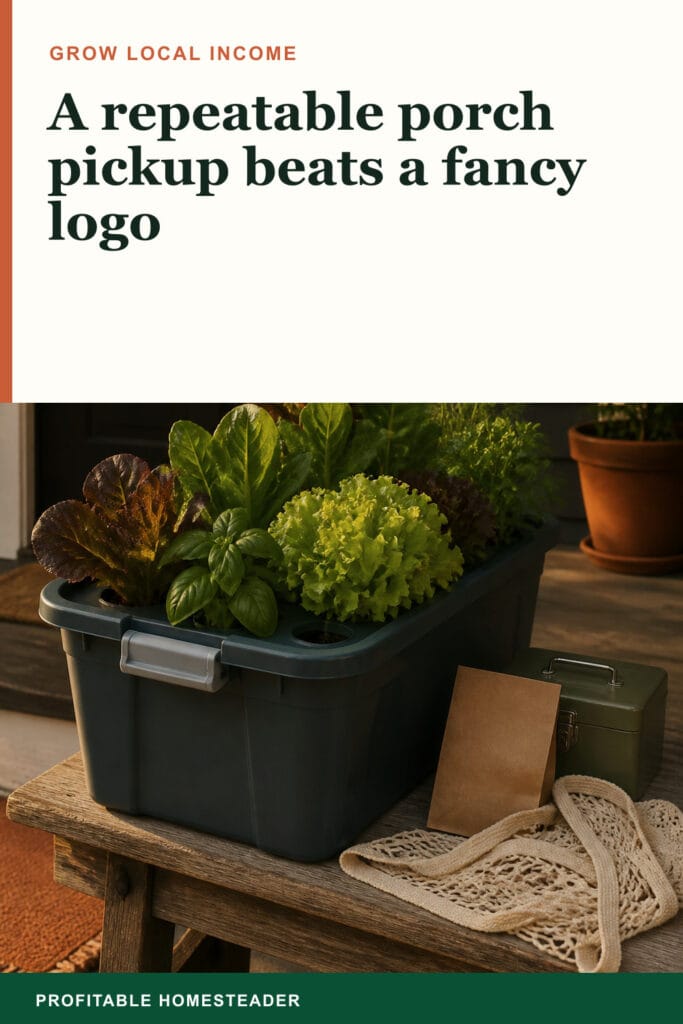
A shallow plastic storage tote
Net cups with growing medium
A simple nutrient solution
Heirloom and specialty greens and herbs that customers love
The whole thing sitting on a shelf where you can reach it
Each tote becomes a ready-to-harvest mini farm—basically a living salad bar or smoothie box your customers can cut from again and again. Better still, it’s nearly passive income you can make from home.
Now pair that with a subscription model:
Local families sign up for a set number of mini farms per month
You grow, deliver, and swap out totes on a schedule
That means predictable income, month after month
That combination—indoor mini farms + subscriptions—is what turns this from “fun experiment” into an actual high-profit hydroponic side hustle from home. This unique blend not only allows for a rewarding venture but also fits seamlessly into a busy lifestyle, making it one of the best jobs for introverted moms. By cultivating fresh produce in a controlled environment, they can enjoy the therapeutic aspects of gardening while generating a supplemental income. As these mini farms thrive, so do the opportunities for growth, leading to a fulfilling and sustainable business.
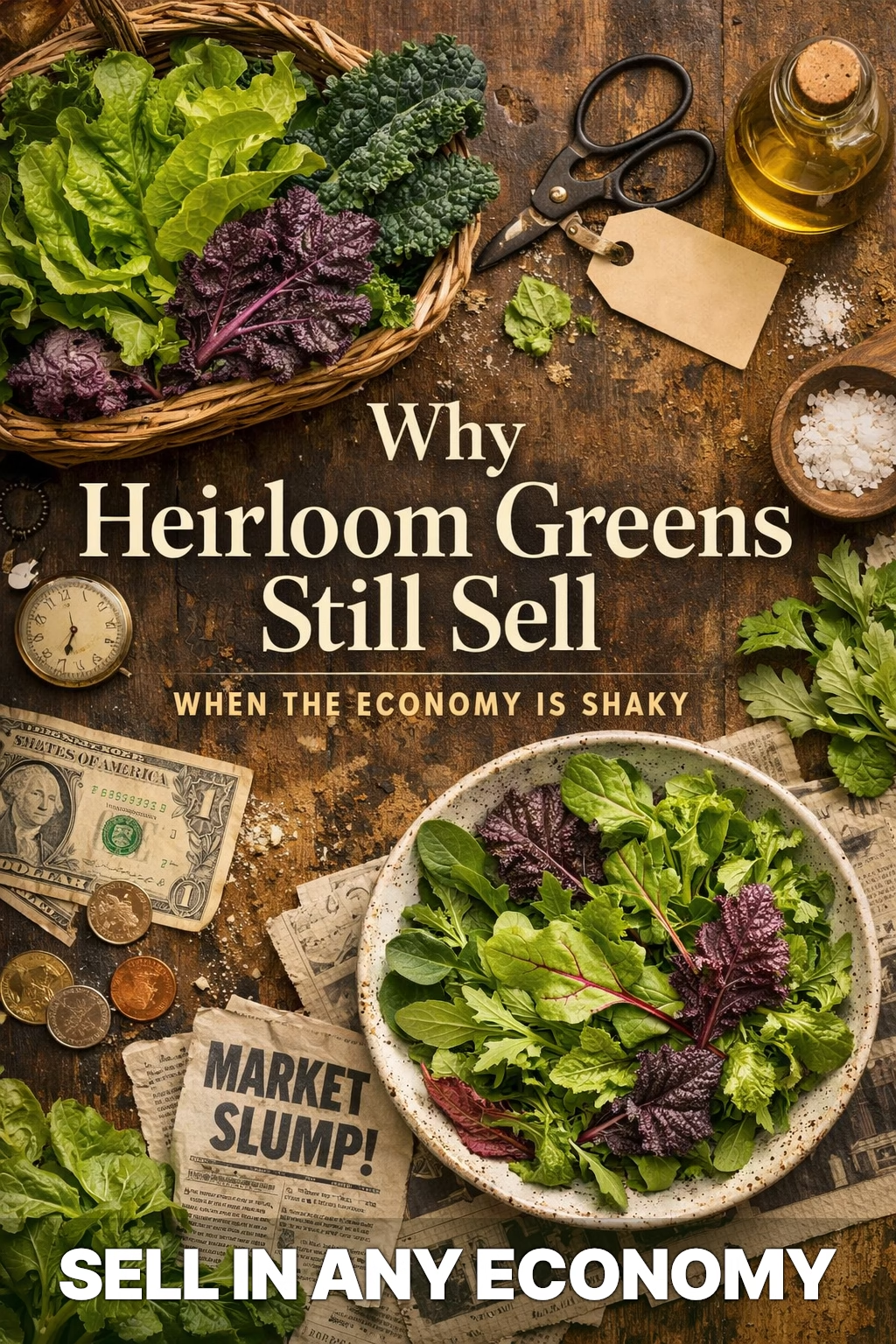
Why heirloom greens still sell when the economy is shaky
In a recession or downturn, people don’t stop eating. They change how they spend.
They:
Skip restaurant meals
Pay close attention to grocery prices
Side-eye limp lettuce that goes bad in two days
Get tired of the same three boring greens
Focus more on getting the most nutrition for their dollar
Heirloom and specialty greens answer all of that at once:
They look incredible
They taste better than standard varieties
They make basic meals feel special again
They often deliver more nutrition per bite
Think purple lady bok choy, amaranth leaves, chijimisai, red-veined sorrel, and deep green lettuces that never touched a truck or a warehouse.
Most stores don’t carry them fresh and local. If they do, it’s expensive and inconsistent.
So when a neighbor says, “Hey, I grow fresh heirloom greens and deliver them on a subscription—do you want in?” people sign up.
You’re not fighting recession behavior; you’re aligning with it:
Better food
Less waste
Predictable cost
That’s a strong base for a recession-resistant side hustle.
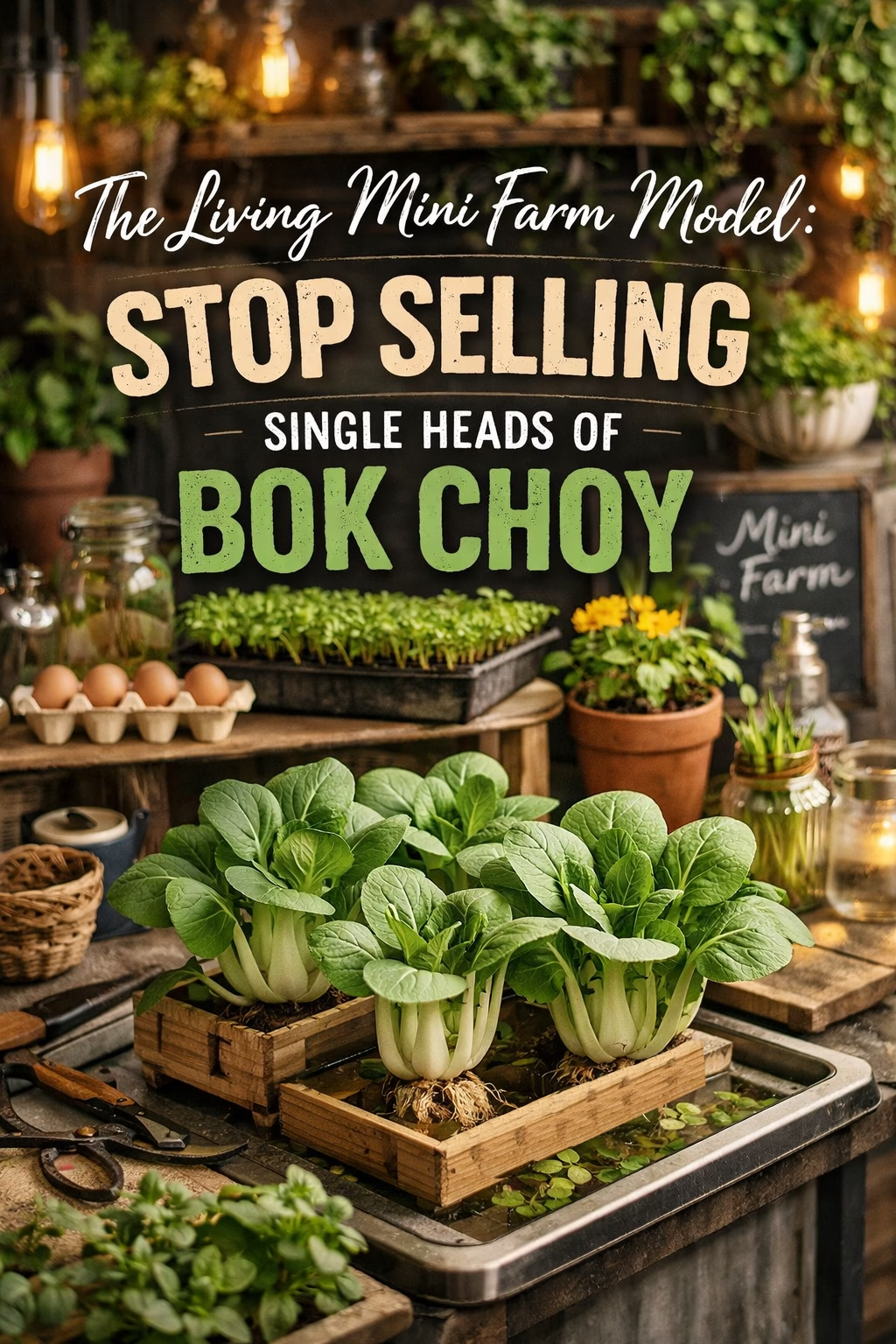
The living mini farm model: stop selling single heads of bok choy
When I first tried making money from greens, I did it the hard way:
Soil
Raised beds
Endless watering
Saturdays spent weeding
Harvesting individual heads and bagging leaves
Trying to sell them one by one at the local farmer’s market
I burned time and energy for very little money.
Then I switched to the living mini farm model, and everything changed.
Instead of selling a single head of bok choy, I sell an entire ready-to-harvest mini farm tote:
It’s planted with heirloom and specialty greens
It keeps producing for weeks
The customer cuts what they want, when they want it
They get months of meals from one purchase
You’re no longer pricing a single vegetable. You’re pricing a compact, living food system.
That lets you:
Charge more per sale
Do less harvest labor
Spend most of your “work time” on setup and delivery, not micro-tasks
Rule #1 in my playbook:
Sell the mini farm, not the loose leaves.
The margins: real numbers from a realistic hydroponic side hustle
Let’s talk about profit, because that’s where most side hustles fall apart.
With indoor mini farms, the numbers are on your side.
Seed cost
A packet of unusual, hydroponic-friendly seeds is often priced under $4 for around 200 seeds.
Even if you only use 100 of those seeds, that’s 100 plants from a four dollar investment.
Hardware cost per mini farm
For each mini farm you’re looking at:
Shallow storage tote
Net cups
Growing medium
Nutrient solution
Even if you’re not chasing the absolute cheapest supplies, you’re typically around $5 in hardware and inputs per mini farm.
Worst-case pricing
Let’s run worst-case numbers so you can see how much room you have when pricing hydroponic greens.
Say you underprice on purpose just to get people hooked:
Mini farm tote price: $15
Your cost in materials: ~$3
Hands-on setup time: about 10 minutes per mini farm for planting and mixing nutrients
That’s roughly:
5× return on materials, and
About $70/hour for your time, even at that low price
Most people charge more once they see the demand for high-value hydroponic greens (I talk about specific pricing strategies inside the Indoor Mini Farm System guide), but even at $15, the math beats a lot of second jobs.
Why subscriptions turn this hydroponic side hustle into reliable income
One-off sales feel good in the moment, but they don’t calm your brain about bills.
Selling hydroponic greens subscriptions, though, means passive monthly income you can trust.
Here’s a simple, realistic subscription model for selling the greens you grow that comes straight out of my system:
You offer a Heirloom Greens Mini Farm Subscription
Each family subscribes to two mini farms per month (salad boxes, smoothie boxes, herb boxes, or a mix)
Each mini farm runs about two months before you need to replant
With just 10 families, that looks like:
20 totes delivered per month
~40 totes in rotation in their homes at any moment
Now layer in reasonable pricing.
Say you charge $30 per mini farm tote (which is completely justified given the amount of food and the convenience): By investing in a mini farm tote, customers not only gain access to fresh, organic produce but also become part of a sustainable food system. This innovative approach empowers individuals to cultivate their own gardens, effectively turning seeds into profits while minimizing environmental impact. The combination of quality products and the convenience of home gardening makes this investment worthwhile for both seasoned gardeners and newcomers alike.
20 totes × $30 = $600/month
That’s a meaningful income from ten families. Growers who build a larger customer base, raise prices as their reputation grows, or add more tote volume can earn significantly more — results vary based on your market, pricing, and how much time you invest.
Is $600 going to wipe out a huge mortgage on its own? Maybe not. But it can:
Cover a serious chunk of the payment
Handle property taxes when averaged out monthly
Cover your grocery bill with plenty of profit left over
That’s the scale we’re talking about with only ten families.
Why this hydroponic side hustle actually works in small spaces
Traditional “farming for money” advice assumes you have:
A lot of land
A garage for a complicated hydroponics system
A truck to do all those deliveries
A farmers’ market nearby
The Indoor Mini Farm System makes farming for money as close to passive income as you can get.
You’re building:
Shallow hydroponic totes
On simple wire shelves
In a spare corner, hallway, laundry room, basement, or sunny wall
And if you want it to be really easy, have customers pick up their food from your porch.
No soil. No tilling. No weeds. No bugs.
You can run your hydroponic mini farms from:
An apartment
A townhouse
A rental where you’re not allowed to touch the yard
If you move, your system packs into the car and comes with you.
That’s what makes this a great portable side hustle instead of something that ties you to a specific property.
Why neighbors actually love subscribing to mini farms
Let’s flip perspectives and look at this through your customers’ eyes.
The heirloom greens subscription solves multiple problems at once:
They always have fresh, interesting greens. Not the same sad lettuce, not mystery greens in a plastic box. Real flavor. Real nutrients.
They waste less. Because they’re cutting from a living mini farm, greens last longer and get used more.
They know exactly who grew their food. “We get our greens from a neighbor down the street” feels better than “whatever was on sale.”
The math makes sense. A $30 tote that produces multiple large salads or smoothies feels like a solid deal—especially when store prices keep creeping up.
Once families get used to this, they often tell me, “We don’t want to go back to store greens.” That’s the kind of loyalty you want in a subscription food business.
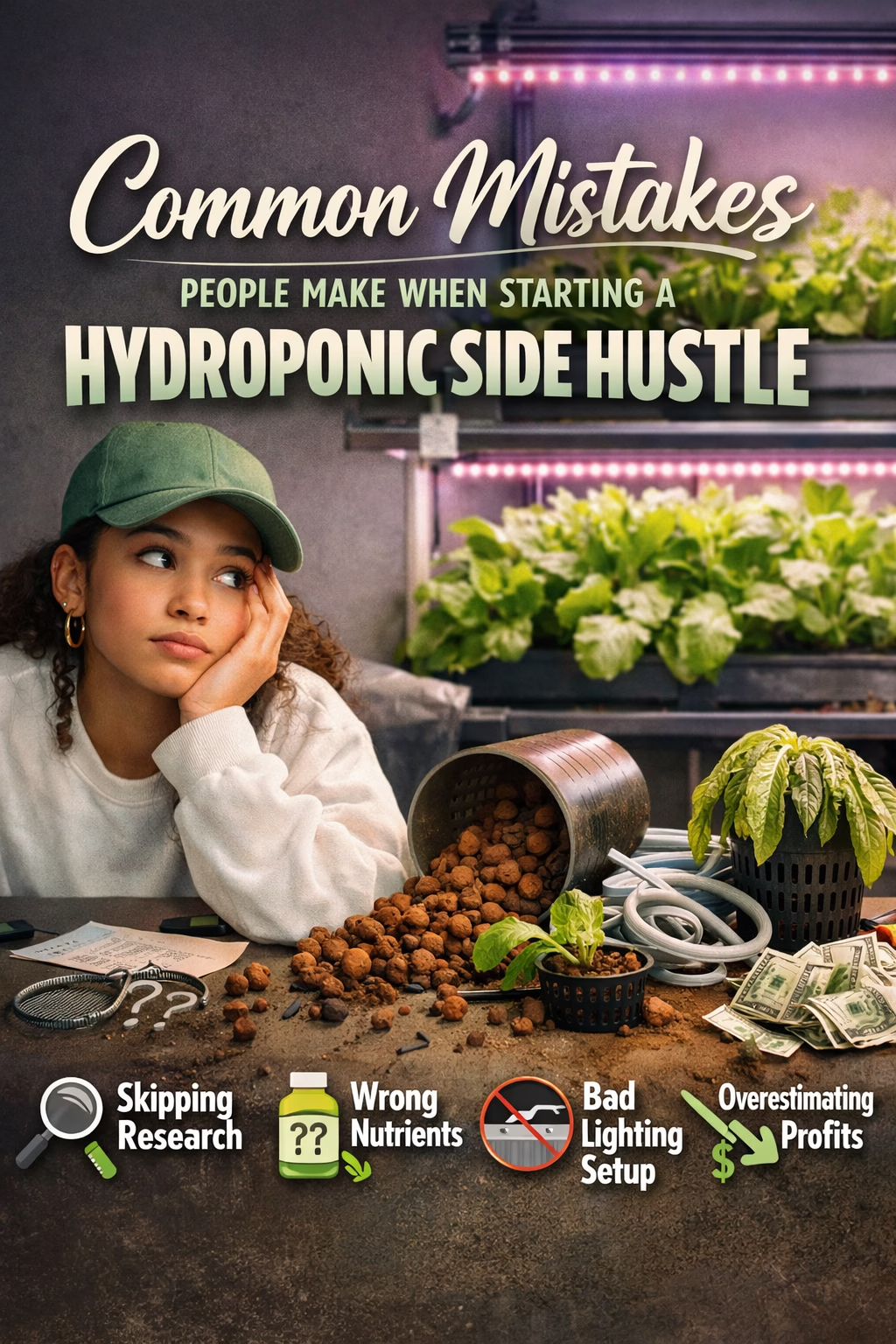
Common mistakes people make when starting a hydroponic side hustle
I’ve tested a lot of variations on this idea—enough to see the same pitfalls over and over.
Here are a few:
Trying to grow everything. They plant 15 different crops and end up with chaos. In the Indoor Mini Farm System I have you start with a short list of proven heirloom greens that perform well in shallow hydroponics and sell easily.
Selling harvested greens instead of mini farms. This is the fastest way to turn a promising idea into a job you resent. We already talked about why: too much labor per sale.
No subscription offer. If you don’t ask people to subscribe, you become “that person who sells greens sometimes.” The guide gives you exact wording to turn one-off buyers into subscribers without feeling pushy.
Over complicating the setup. Fancy gear doesn’t make this more profitable. A simple, dialed-in system does. My guide tells you exactly which totes, net cups, and nutrient setup I use so you don’t waste money on gimmicks.
Avoiding those four mistakes alone will save you months of trial and error.
The missing piece: a complete Indoor Mini Farm System that covers growing and selling
On paper, the plan looks straightforward:
Build indoor hydroponic mini farms in plastic shoeboxes
Grow heirloom greens
Sell them on subscription
Use the income to help pay the mortgage
In real life, the questions pile up fast:
What size and depth of totes actually work best indoors?
Exactly how do you lay out the net cups and spacing?
Which greens perform well in a passive hydroponic setup and which ones flop?
How do you time your planting so subscriptions don’t leave gaps?
What do you say when you approach neighbors about subscribing?
How do you price mini farms and subscriptions for your area?
It’s not a loose collection of tips. It’s a step-by-step system that shows you:
The exact containers, net cups, growing medium, and nutrients to buy
How to assemble and run your indoor mini farm so it stays low-maintenance
Which heirloom and specialty greens I recommend starting with and why
How to do the planting and replanting math for steady subscription deliveries
How to structure and price your offers (including simple “smoothie box” and “salad bar” subscriptions)
Scripts and examples for talking to neighbors in a way that feels friendly, not salesy
It’s the only hydroponics guide on the market that covers both the growing and the selling side in this high-profit way, all the way through subscriptions.
If you want a hydroponic side hustle that can help pay real bills, that combination matters.
How to start your own mini farm side hustle this month
You don’t have to overhaul your life to get started. Here’s a simple path:
Read the Indoor Mini Farm System once through. Get the overall picture so the details make sense.
Set up your first shelf and a handful of totes. Follow the hardware and layout instructions. This is usually an afternoon project.
Plant your first batch of heirloom greens. Use the starter crop list from the guide. No need to freestyle yet.
While your first batch grows, line up your first 3–5 customers. Use the scripts and pricing guidance. Aim for families who already care about food quality.
Deliver your first mini farms and invite subscribers to stay on. This is where the subscription model kicks in.
Scale to your first ten families and beyond. Once the system feels easy at a small scale, add more families until you hit your first income target.
From there, you can decide whether you want this to cover:
Groceries
All your expenses and then some.
Here’s What You Get
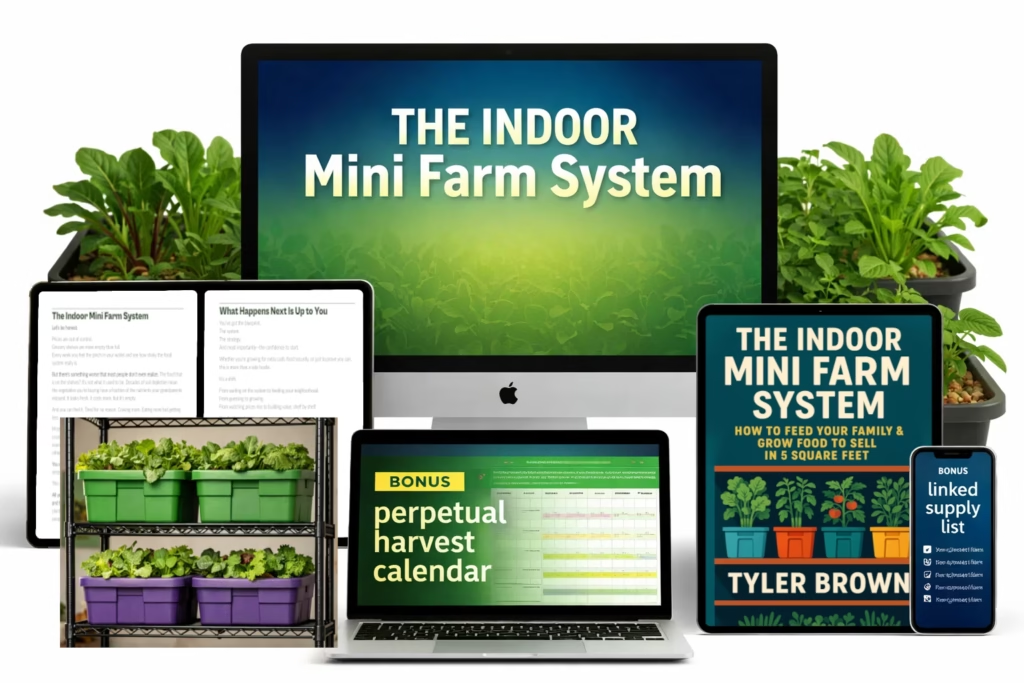
Indoor Mini Farm System (PDF)
Every step you need to create your indoor mini farm in just a few hours. From which totes to buy to how high to hang your lights to which seeds to plant first.
(Value $97)
Linked Supply List (PDF)
Instead of opening twenty tabs and guessing, you get a simple list with direct links to exactly what you need. You can be done shopping in minutes.
(Value $22)
Perpetual Planner (PDF)
This is the piece that keeps black thumbs alive. A simple perpetual planner that tells you, week by week, what to do so you never miss a refill or harvest.
(Value $29)
FAQ: Hydroponic side hustle questions I get all the time
Is a hydroponic side hustle like this actually legal? Licensing and regulatory requirements for selling produce and plants from home vary by state, county, and municipality — there’s no single answer. Before you start selling, check the rules for your specific location. The guide to selling produce from home covers what to look into and where to find the authoritative answers for your area.
Do I need expensive grow lights? Not always. Plenty of people start near south- or east-facing windows. In lower-light homes, a basic, affordable LED setup is enough. I recommend specific options in the guide so you don’t overspend.
Will this work if I’ve killed plants before? Yes. Mini farms are forgiving because water and nutrients are consistent. The system is written for regular people, not expert gardeners.
How many totes do I need to get to $600/month in my hydroponic side hustle? Using the model in this article (ten families × two totes per month at $30 each), you’re looking at roughly 40 totes in rotation. Actual results will vary based on your pricing, market, and customer base.
Ready to build a hydroponic mini farm side hustle that actually moves the needle?
You can’t control the economy. You can’t control grocery prices or interest rates.
You can control:
What grows on your shelves
Who you sell it to
How predictable that income becomes
Selling heirloom greens as a subscription using an indoor hydroponic mini farm system is one of the most practical, high-margin, from-home side hustles I’ve ever found.
It turns plastic shoeboxes, seeds, and a bit of shelf space into something that can help pay your mortgage—even when everything else feels expensive and uncertain.
If you’re ready to stop daydreaming and start building, your next step is simple:
Get the Indoor Mini Farm System, set up your first mini farms, and start your own hydroponic side hustle this month.
About the Author
Tyler Brown runs ProfitableHomesteader.com, a site dedicated to sharing side hustle ideas at home – including how he builds tiny indoor mini farms, growing heirloom greens in plastic totes and selling them to local families.
After years of testing containers, crops, and pricing, he built the Indoor Mini Farm System so regular people could skip the trial-and-error and start growing real food (and side income) on a single shelf.
If you’re ready to set up your own pump-free mini farm and start growing food indoors without wasting money on gadgets, you can get the step-by-step guide here: