
Most people picture a farm as something that requires land — acreage, a barn, maybe a tractor. But a growing number of people are running legitimate food businesses from spare bedrooms, basements, and kitchen counters, selling to neighbors within a few blocks, and earning real monthly income without a single square foot of outdoor space.
This is the mini farm model. And it’s more accessible than almost any other home business because the startup cost is low, the product is something people genuinely want, and the sales happen at your front door.
Here’s how to build one from scratch.
What a Mini Farm Business Actually Is
A mini farm business — in the context of this model — means growing living food plants indoors using simple hydroponic setups and selling them locally. Not harvested produce you’ve bagged and labeled. Not a farmers market booth. Not a shipping operation.
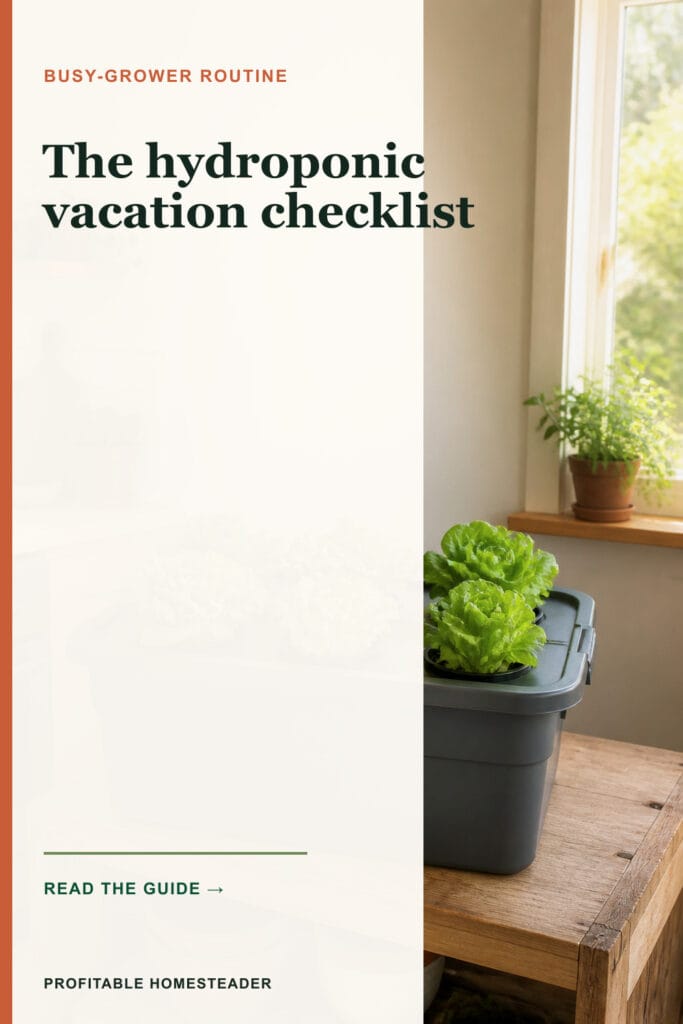
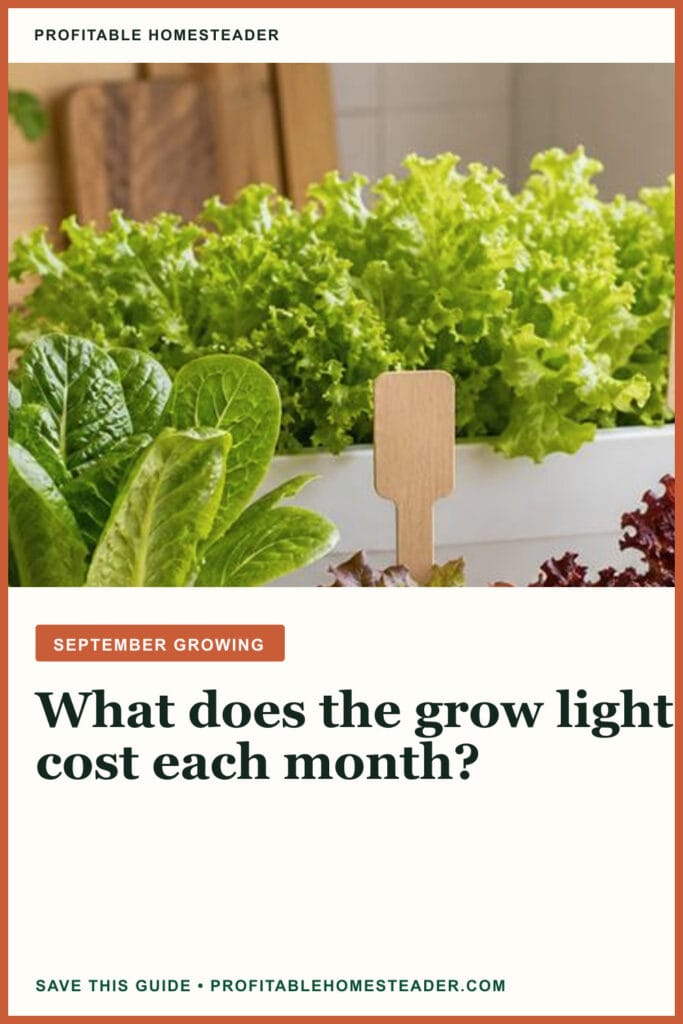
You grow lettuce, herbs, and other greens in hydroponic storage totes under grow lights. When they reach harvest stage, you sell the tote — or the plants in it — to neighbors who want fresh food on their counter. They harvest from it daily for weeks, then come back for more.
The business model is simple:
- Product: Living hydroponic plants at harvest stage
- Price: Around $45 per mini farm (readers charge $30–$60 depending on their market)
- Customer: Neighbors, coworkers, people in your neighborhood Facebook group or Nextdoor
- Delivery: Porch pickup — they come to you
- Recurring revenue: Subscription model — same customers, same price, every month
It’s not a get-rich-quick scheme. It’s a simple, repeatable local food business that scales at whatever pace suits your life.
Why This Works Without Land (Or Much of Anything Else)
Traditional farming is capital-intensive. Land, equipment, seeds at scale, irrigation, weather risk — the barriers are real. The mini farm model sidesteps almost all of them:
- No land: A spare corner of a bedroom, a section of basement, a utility room — anywhere with a power outlet works. Most people start with one or two totes on a wire shelf.
- No weather risk: Indoor growing means your crops don’t care about frost, drought, heat waves, or pests. You control the environment completely.
- No expensive equipment: A storage tote costs $10–$15. A grow light costs $30–$60. The full first-tote setup runs $60–$80.
- No delivery infrastructure: Customers pick up from your porch. You don’t ship, package, or drive anywhere.
- Low regulatory barrier for many people: Licensing and permit requirements for selling plants and produce from home vary significantly by state and local area — in many places, small-scale direct sales involve minimal requirements, but you should verify the rules for your specific location before you start. The guide to selling produce from home covers what to look into.
Phase 1: Prove It Works (Month 1–2)
Don’t try to build a business before you’ve built a product. Your first job is to grow one successful tote of lettuce or herbs and show it to one person.
What to do in Phase 1:
- Set up one storage tote with a Kratky hydroponic system — net cups, nutrient solution, grow light
- Plant a mix of fast-growing lettuce varieties (buttercrunch, red sails, black seeded simpson all work well)
- Grow to harvest — typically 30–40 days
- Show one neighbor or friend what you grew. Offer to sell it or give it as a gift.
If you’ve grown a healthy tote, the reaction is almost always positive. People are genuinely impressed by a lush, living salad garden — especially when you explain that it’s been growing in a storage tote in your spare room. That reaction is your market research. If one person loves it, ten people in your neighborhood will.
Phase 2: Get Your First 5 Paying Customers (Month 2–3)
Five customers at $45/month is $225 — enough to cover your setup costs and prove the model. Here’s how to find them without a website, Instagram account, or any marketing budget:
Tell people directly
The most effective customer acquisition method for a local food business is telling people in person. “I’ve been growing lettuce hydroponically in my house and I have more than I can use — interested in buying one?” works better than any ad.
Post in neighborhood groups
A post on Nextdoor or a neighborhood Facebook group with a photo of your tote at harvest gets attention fast. Keep it simple: what it is, what it costs, how pickup works. Don’t over-explain the hydroponics — lead with the food.
Put a sign out
A small hand-lettered sign near your mailbox or front walk — “Fresh Indoor Lettuce — $45, text [number]” — catches neighbors who walk or drive by. Low-tech but surprisingly effective in residential neighborhoods.
Give one away
Give a tote to one neighbor you trust and ask them to tell you honestly what they think. If they love it, ask if they’d like to buy the next one. Most do. And they mention it to other people.
Phase 3: Convert Buyers to Subscribers (Month 3–4)
A one-time sale is nice. A subscription is a business.
Once a customer has bought once and loved the product, the conversation is easy: “I do a monthly order — same tote, same price, ready the first Saturday of every month. Want me to put you on the list?” Most customers who’ve experienced the product say yes without hesitation. They’re already planning their next purchase anyway.
The subscription changes everything about your planning:
- You know exactly how many totes to grow each month — no waste, no guessing
- You get paid reliably, whether or not you do any marketing that month
- Each new subscriber is permanent recurring revenue — $45/month, indefinitely, until they move or their life changes
The math at different subscriber counts:
- 5 subscribers: $225/month
- 10 subscribers: $450/month
- 20 subscribers: $900/month
- 25 subscribers: $1,125/month
Each tote takes roughly 30 minutes of hands-on time per month once the system is running. At 20 subscribers that’s about 10 hours of grow work for $900 — and most of that time is genuinely enjoyable if you like growing things.
Phase 4: Scale Without Losing Your Mind (Month 4+)
Scaling a mini farm business doesn’t mean adding complexity — it means adding totes. Each new subscriber needs one more tote per month. Here’s how to scale cleanly:
Add a wire rack shelf
A standard 5-tier wire rack shelf ($40–$60) holds 3–4 totes per tier with grow lights mounted underneath each shelf. That’s 12–16 totes in a 2×4 foot footprint — enough for 12–16 subscribers in the space of a small closet.
Stagger your planting
Don’t start all your totes at once or they’ll all be ready at once. Stagger starts by 1–2 weeks so you have totes coming to harvest throughout the month rather than all on the same day. This makes pickup scheduling easier and keeps your grow space in constant production.
Add variety gradually
Start with one or two lettuce varieties you know well. Once those are dialed in, add a basil tote, then a spinach tote. Offering variety keeps long-term subscribers engaged and lets you charge a little more for specialty crops.
Let word of mouth do the work
The best mini farm businesses grow almost entirely through referrals. A customer who loves fresh lettuce tells their neighbor. That neighbor texts you. You add them to the list. You don’t need to advertise — you need to grow a product good enough that people talk about it.
What This Business Is Not
Worth saying plainly: a mini farm business is not a path to replacing a full-time income overnight. At 10 subscribers it’s a nice side income. At 25 it’s meaningful money. Beyond that, you’re running a real operation that requires more space, more time, and potentially help.
Most people who do this aren’t trying to build an empire. They want $200–$500/month of reliable extra income from something they enjoy, without adding a second job to their life. That’s exactly what this model delivers at modest scale — and it delivers it with more flexibility and less stress than almost any other side hustle of comparable income.
The System That Makes It Simple
The Indoor Mini Farm System ($47) covers the complete build: tote setup, what to grow, how to price it, and how to find and keep local customers. The Sold Out Every Time add-on goes deeper on the subscription model specifically — how to structure recurring orders, how to talk to customers about it, and how to scale from 5 subscribers to 20 without it taking over your life.
Most readers grow their first tote within a month of getting the guide. Many are selling within 60 days. A few have built genuine $500+/month businesses from a spare room and a wire shelf.